June 10, 2025
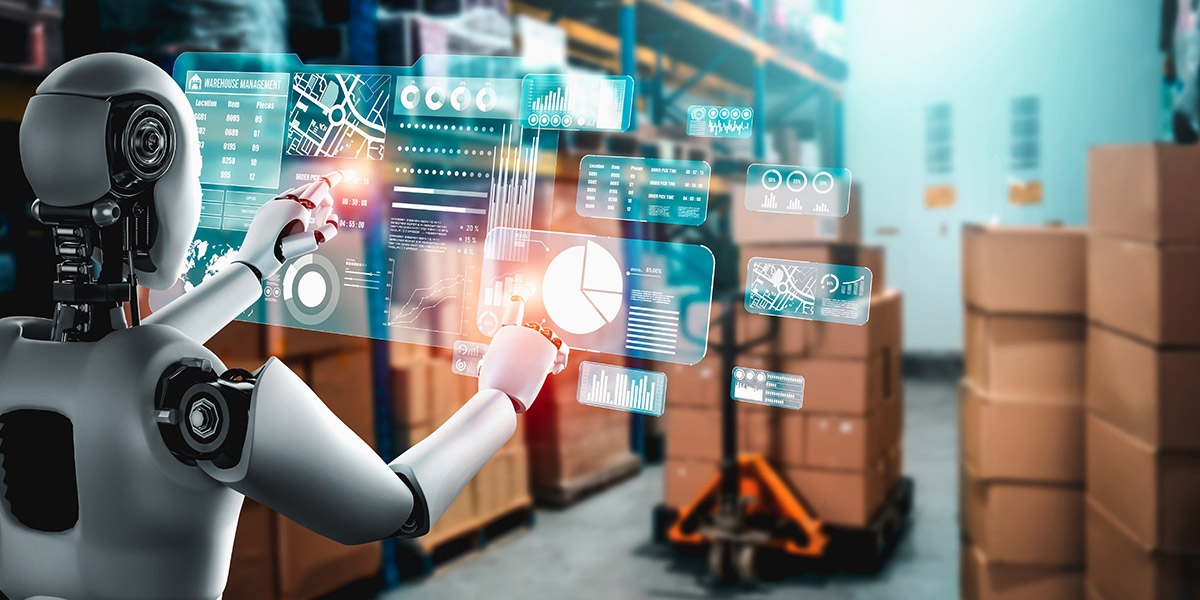
As we move through 2025, global supply chains face growing challenges from economic shocks, trade tariffs, geopolitical tensions, and climate-related events. Despite these difficulties, artificial intelligence (AI) is emerging as a vital tool to help companies maintain stability and continue growing. AI helps identify issues in supply chains with unmatched accuracy. With real-time tracking and better visibility, AI systems offer deep insights into inventory and the movement of goods. These data-driven insights help companies make faster and more informed decisions. Already, 68% of supply chain organizations have adopted AI to improve visibility and traceability, leading to a 22% boost in operational efficiency.
AI’s predictive power helps companies prepare for future risks. By analyzing data from sources like market trends and forecasts, AI can predict demand changes or upcoming geopolitical risks, allowing businesses to act early. In times of global disruption, AI can also quickly suggest new suppliers or more efficient routes. This can lower costs and reduce dependency on vulnerable supply chain links. Businesses using AI, report a 15% drop in logistics costs, a 35% reduction in inventory, and a 65% improvement in service levels—clear evidence of the competitive edge AI can deliver.

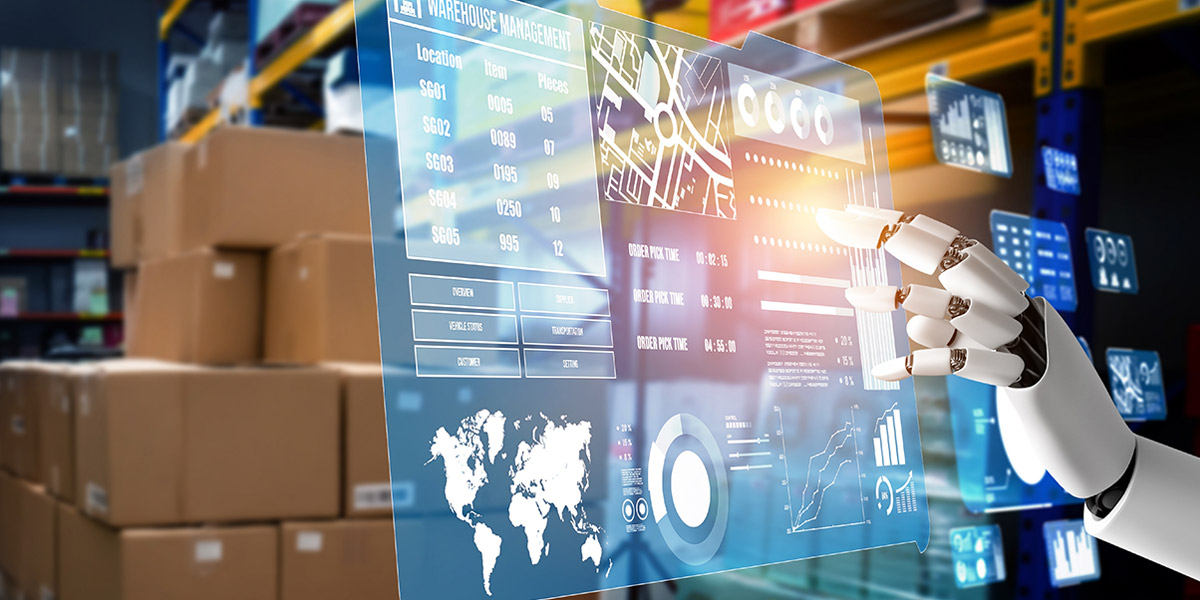
AI also helps companies prepare for seasonal changes or economic shifts by recommending updates to their supply chain strategies. It can guide decisions on how many numbers to use, what terms to set, and how to structure the entire supply chain for better efficiency. In short, AI is becoming essential in supply chain management. Companies that invest in AI now will be better prepared for future disruptions—and may even turn those challenges into growth opportunities. As the role of AI continues to expand, businesses that embrace this technology will build more resilient, adaptive, and efficient supply chains. Those ahead in adopting AI will not only reduce costs and improve operations but will also free up leaders to focus on long-term strategies. The future of supply chains is AI-driven—and the time to act is now.