
August 12, 2026
The logistics industry in the Middle East is entering a new phase, and artificial intelligence is becoming an important part of that change. The region’s position as a global trade hub means logistics companies need to move goods faster, manage uncertainty and respond quickly to changing demand. In Saudi Arabia and the UAE, businesses are already looking at AI and supply-chain redesign as ways to improve resilience. A 2026 HSBC survey found that 60% of companies in these two markets see technology and infrastructure as key factors shaping their strategy over the next three years.
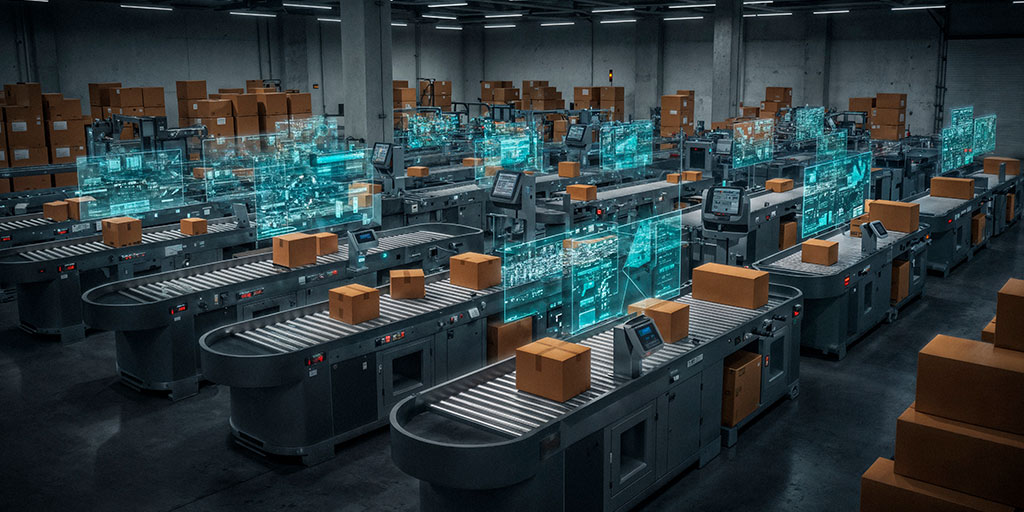
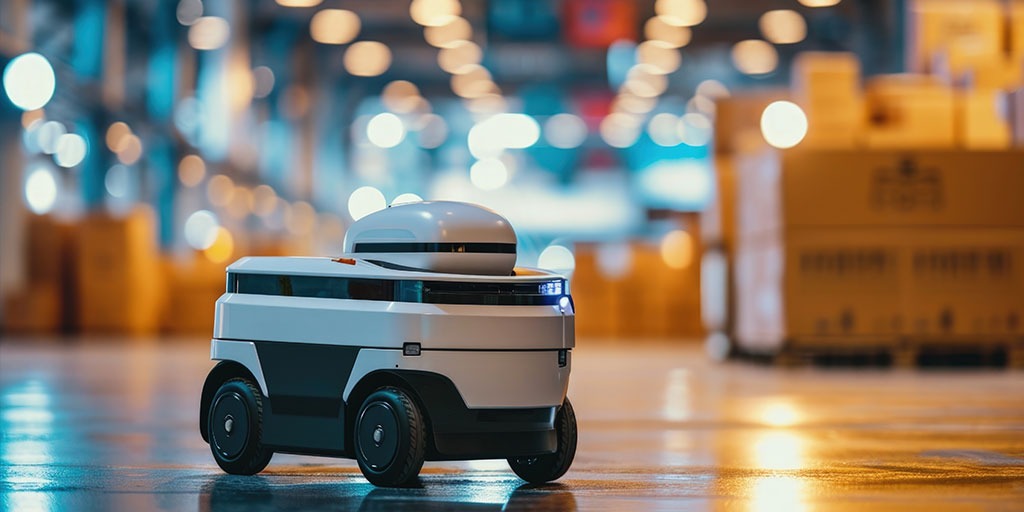
AI is also changing how logistics companies make everyday decisions. Instead of relying only on historical data and manual planning, companies can use AI to forecast demand, optimize routes, manage inventory and identify potential disruptions earlier. For example, AI-powered systems can analyze shipment data and changing conditions to highlight risks before they become major problems. In Saudi Arabia, FedEx launched an AI-powered shipment monitoring and intervention service in July 2026, using predictive analytics to improve visibility and help businesses respond to risks affecting critical shipments.
The momentum is particularly strong in Saudi Arabia and the UAE. Saudi Arabia has designated 2026 as the “Year of AI”, reinforcing the country’s focus on AI as part of its wider digital transformation and Vision 2030 agenda. In the UAE, supply-chain initiatives are also focusing on better visibility and business continuity. At the same time, companies across the region are moving from simply experimenting with AI toward using it in real business operations. Deloitte’s 2026 research found that 66% of Middle East organizations reported improved efficiency from AI, although only 34% said they were using AI to fundamentally redesign products, processes or business models.
The next step for Middle East logistics will not be about replacing people with AI. It will be about giving logistics teams better information and faster decision-making tools. Companies that combine good-quality data, experienced people and practical AI applications will be better positioned to manage demand, reduce delays and respond to disruptions. As the region continues to invest in trade infrastructure and digital transformation, AI could become less of a technology experiment and more of a core part of how goods move across the Middle East. The real opportunity is not simply to make logistics automated—it is to make it smarter, more predictive and more resilient.